Home › Commercial Gravel-to-Asphalt Conversions
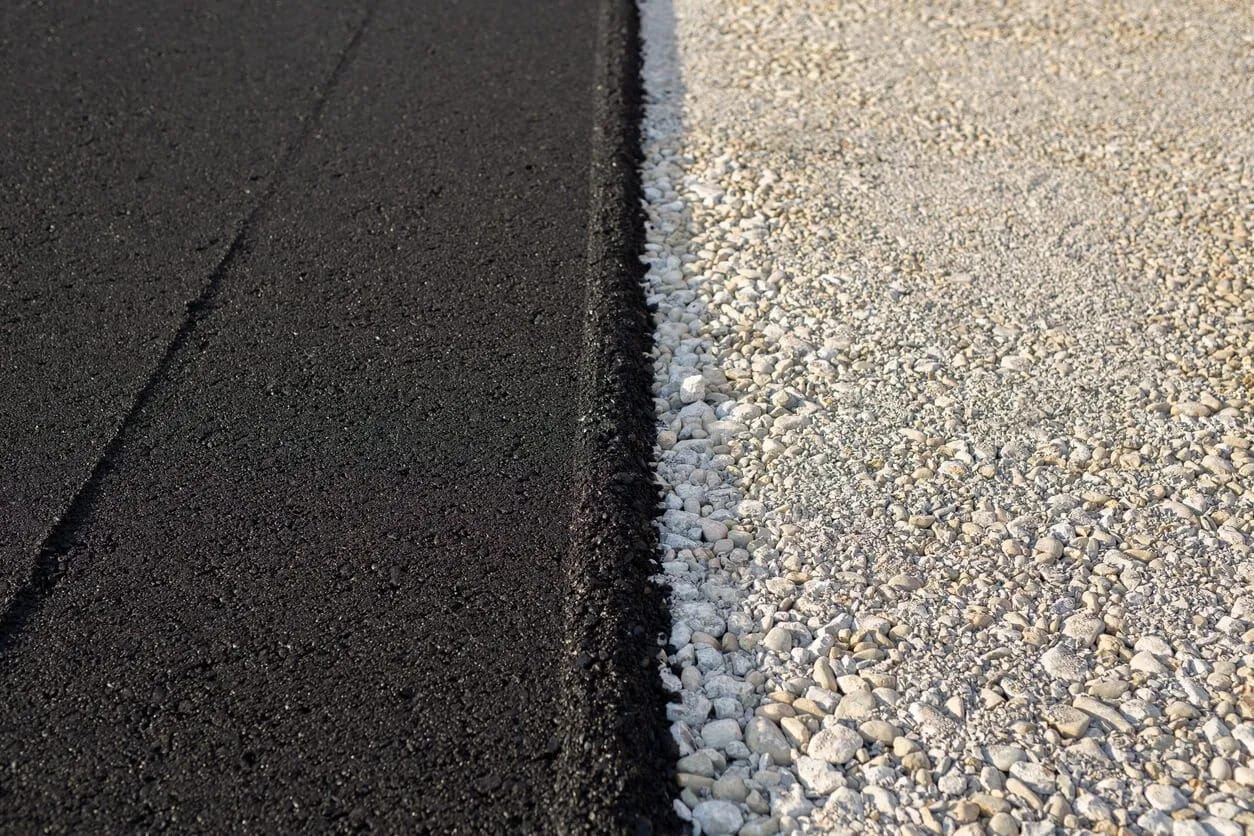
Upgrade rough surfaces with commercial gravel to asphalt conversions in Orlando, FL. We transform dusty or muddy gravel lots and roads into durable asphalt pavements. Our crew evaluates existing base conditions, adds material if needed, and paves a smooth, low maintenance surface.
Precision Asphalt Orlando provides professional commercial gravel to asphalt throughout Orlando, FL, Florida and the surrounding area. Our licensed, insured crew delivers safe, clean, on-time work with a free estimate before anything begins. Call or request your free quote.
Commercial Gravel-to-Asphalt Conversions for Orlando Properties
Precision Asphalt Orlando helps local businesses turn dusty, uneven gravel lots into smooth, durable asphalt surfaces that look professional and are easier to maintain. Our commercial gravel-to-asphalt conversions are tailored to Central Florida conditions, from afternoon thunderstorms to intense summer heat.
Whether you manage a shopping plaza on Colonial Drive, an industrial yard near the airport, or a church parking lot in Winter Park, we plan each project around how your property is actually used. We look at traffic patterns, delivery routes, drainage paths, and city requirements so the new asphalt surface is not just blacktop on top of gravel, but a long-term pavement system that holds up to daily commercial use.
Because we are based here in Orlando, we understand how Florida rain can pool in low spots and how soft subgrade soils can cause rutting and potholes if they are not corrected during the conversion. Our team uses that local experience to recommend the right section thicknesses, materials, and slopes for your specific site.
Site Evaluation and Planning for Gravel-to-Asphalt Projects
A successful commercial gravel to asphalt project starts with a thorough site evaluation. When Precision Asphalt Orlando visits your property, we walk the lot, look at how vehicles actually move, and identify problem areas such as standing water, deep ruts, and soft spots that pump when vehicles drive over them.
We typically perform test probes of the existing gravel and underlying soil. In some cases we may recommend a geotechnical evaluation if the site has a history of settlement or if heavy trucks use the area. We also measure current elevations and locate existing drainage structures so we can design pavement slopes that move water to inlets or swales instead of letting it sit on the finished asphalt.
During planning, we talk through how to keep your business operating. For many Orlando commercial clients we phase the work, paving one section at a time and setting up temporary parking or access routes. For retail centers and medical offices, we may schedule the noisiest or most disruptive tasks for early morning or weekend hours, when traffic is lighter.
We also review local codes and any HOA or landlord requirements that may affect striping layouts, ADA accessible routes, and fire lane markings. Addressing these details before we start construction helps avoid change orders and delays later in the project.
How We Convert Commercial Gravel Surfaces to Asphalt
The construction process for a gravel-to-asphalt conversion involves more than just paving over what is already there. Precision Asphalt Orlando follows a step-by-step method designed for Central Florida conditions and commercial traffic.
First, we grade and rework the existing gravel to remove high spots and fill low areas. All organic material, such as roots and topsoil along edges, is removed so it will not decay under the new pavement. If we encounter soft or pumping areas, we undercut them and replace with compacted base material.
Next, we install or improve the base course. In Orlando, this usually means crushed limerock or other FDOT-approved base materials placed in layers and compacted to a specified density. For heavy truck areas, we often increase base thickness or recommend a stabilized base (for example, lime rock with cement or asphalt emulsion) to reduce deformation in hot weather.
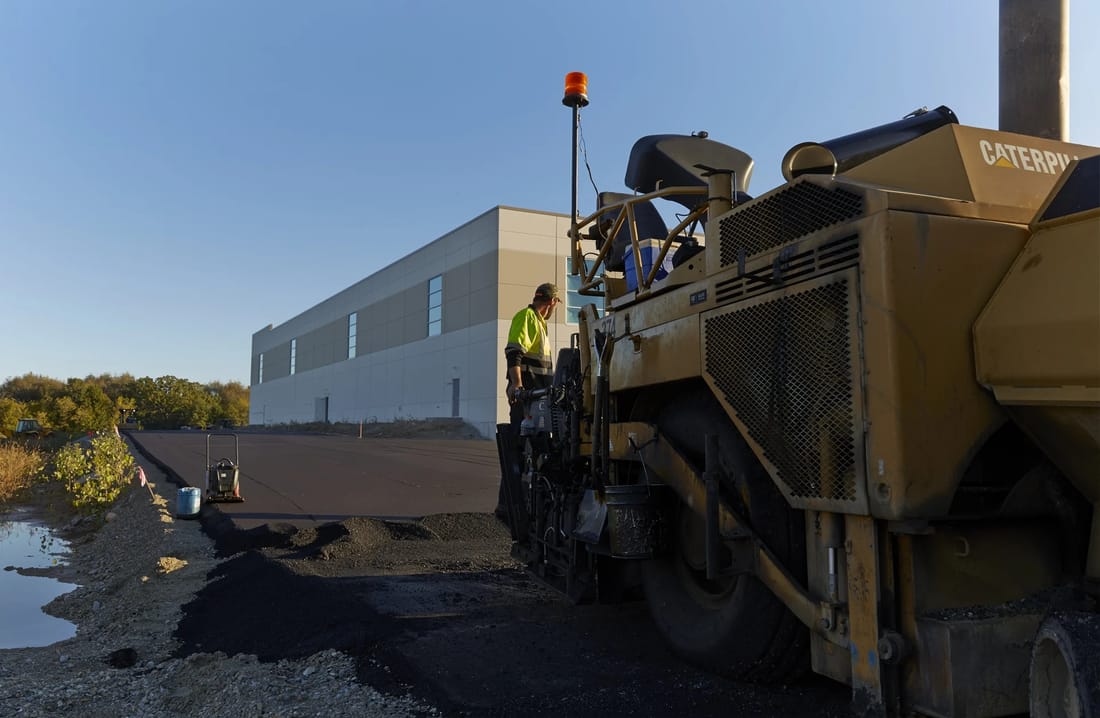
Once the base is in place and passes compaction tests, we fine grade to establish the correct slopes, typically at least 1 to 2 percent, so rainfall runs off quickly. Only after the base is firm and shaped do we apply tack coat to promote bonding and then place the hot-mix asphalt with a paver.
Finally, the asphalt is compacted with steel and rubber-tired rollers to reach target density. We monitor mat temperature to ensure we are not compacting too cold, which is especially important when paving in cooler months or during windy conditions in Orlando. After cooling, we complete striping, signage, and any wheel stops or bollards needed.
Asphalt Mixes, Thicknesses, and Design Options for Your Lot
A commercial gravel-to-asphalt conversion is an opportunity to upgrade the function and appearance of your property, not just change the surface material. Precision Asphalt Orlando helps you select mixes, thicknesses, and layouts that match your operations and budget.
For light-duty parking areas, such as office and retail lots, we commonly install 1.5 to 2 inches of surface course over a properly prepared base. For drive aisles that receive frequent turning movements, like restaurant drive-thrus or busy entrances, we often recommend an additional intermediate asphalt layer or slightly thicker surface to resist shoving and rutting.
For heavy-duty zones like loading docks, dumpster pads, or routes used by delivery trucks and box trucks, we increase total asphalt thickness and may modify the mix design for higher stability. In some cases we will suggest a concrete pad integrated with the asphalt system in front of loading bays, then tie it into the asphalt so there is a clean transition.
You can also refine traffic flow during the conversion. We can add or adjust parking stalls, create dedicated delivery lanes, improve ADA accessible routes and ramps, and provide clear, durable pavement markings designed to meet Orlando and Florida accessibility standards. If you have existing gravel areas that are rarely used, we can discuss whether to pave them, leave them as stabilized overflow parking, or convert them to landscaped areas to reduce paved square footage and cost.
Cost Factors and How to Budget for a Conversion
The cost of a commercial gravel to asphalt project in Orlando depends on several site-specific factors. Precision Asphalt Orlando provides detailed, line-item estimates so you can see where your budget is going and compare options.
Key cost drivers include the condition of your existing gravel, the strength of underlying soils, the amount of grading and undercutting required, and total pavement area. A relatively flat, well-compacted gravel lot may only need minor regrading and a standard base thickening, while a rutted, low-lying lot with poor drainage may require extensive earthwork, additional base, and new drainage structures.
Asphalt thickness and mix type also affect cost. A lot designed for heavy truck traffic, with thicker asphalt and base, will cost more per square foot than a light-duty employee parking area. However, under-building the pavement for current or future use typically leads to premature failures, which are more expensive to repair than doing it right the first time.
We discuss timing with you as part of budgeting. Asphalt pricing in Florida can vary with fuel and material costs, and there are efficiencies when we can pave larger sections at once. In some cases we can stage the project over two fiscal years, completing critical areas first and finishing low-use sections later, which helps companies align the work with capital budgets.
Because we work locally, we can often suggest small design adjustments that save money without sacrificing performance, such as slightly modifying the layout to reduce wasted edge cuts or consolidating heavy-duty zones instead of reinforcing the entire lot.
Orlando Climate Considerations and Project Timing
Central Florida weather plays a major role in planning a gravel-to-asphalt conversion. Precision Asphalt Orlando schedules work to reduce weather-related risks and disruption to your business.
Orlando’s frequent summer storms mean we pay close attention to forecast windows. Base and subgrade need to stay reasonably dry to achieve compaction, and fresh asphalt should not be paved into standing water. For that reason, we often prioritize base work and final paving during periods of more reliable weather, or plan work segments small enough that we can complete and protect them before afternoon storms roll in.
Heat is another factor. High pavement temperatures in summer can soften asphalt, especially during the first few days after paving. We help you plan opening times and traffic control so heavy vehicles are kept off new surfaces until they have cooled and gained initial strength.
Drainage design is particularly important in Orlando because intense downpours can quickly reveal flaws. During the conversion, we may raise low areas, adjust slopes, or add swales or inlets so water leaves the pavement quickly. This helps prevent premature raveling and potholes and reduces slip hazards for pedestrians.
We also coordinate with your peak business times. For tourist-focused or event venues near downtown or the attractions, we can schedule major phases around busy weekends or special events so your new asphalt is ready when you need the parking most.
What to Expect When You Work With Precision Asphalt Orlando
From first walkthrough to final striping, Precision Asphalt Orlando focuses on clear communication and predictable outcomes. Before work starts, we provide a written scope that explains which areas will be converted from gravel to asphalt, what thicknesses and materials we will use, how drainage will be handled, and how we plan to maintain access to your building.
During construction, you will have a single point of contact who can answer questions, coordinate with tenants, and adjust phasing if something unexpected arises, such as underground utilities or unsuitable soils that were not visible during the initial visit. When these conditions appear, we explain the issue, offer options with associated costs and benefits, and document any agreed changes.
After paving, we complete striping, signage, and a final walkthrough with you. We explain recommended maintenance for commercial asphalt in Orlando, which typically includes routine sweeping, keeping drains clear, repairing small cracks before water intrusion becomes a problem, and planning for sealcoating at appropriate intervals based on traffic and sun exposure.
Our goal is that your new asphalt surface not only looks sharp for customers and employees, but also performs reliably through Florida’s sun, heat, and storms. By converting gravel to asphalt the right way, with attention to structure and drainage, you gain a cleaner, safer, and more manageable property for years to come.