Home › Asphalt Pathways, Sidewalks, and Trails
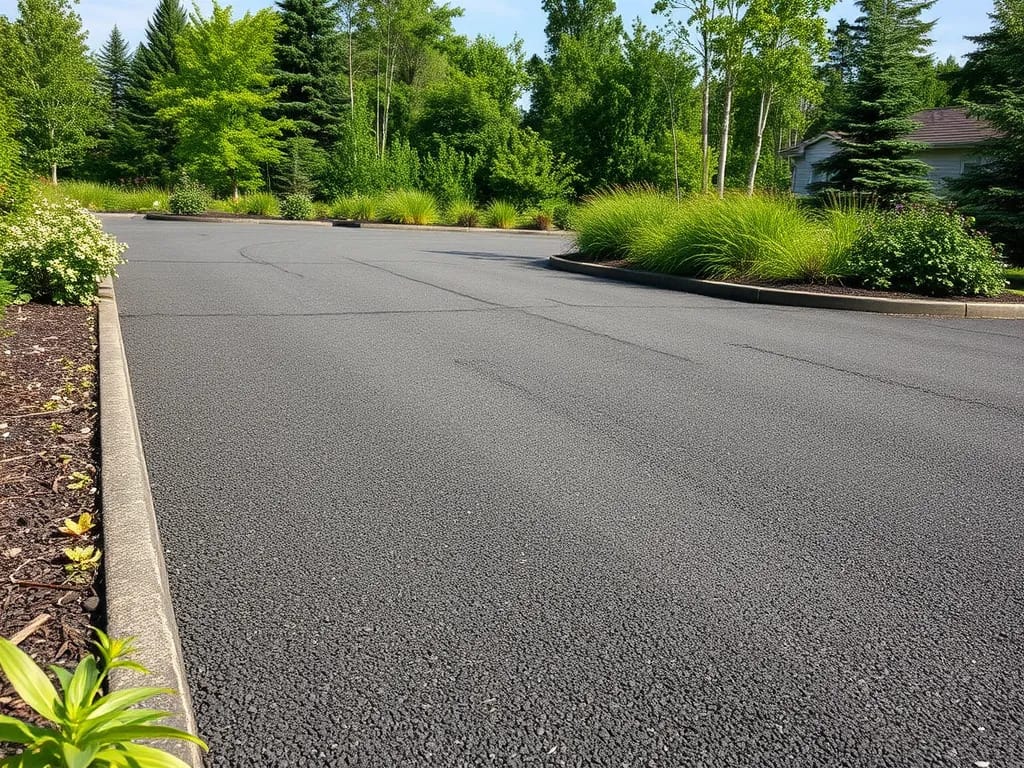
Connect your property with safe routes using asphalt pathway paving in Orlando, FL. We build sidewalks, multi use trails, and bike paths for parks, campuses, and communities. Our team shapes curves, grades for drainage, and compacts bases for long lasting, comfortable walking surfaces.
Precision Asphalt Orlando provides professional asphalt pathway paving throughout Orlando, FL, Florida and the surrounding area. Our licensed, insured crew delivers safe, clean, on-time work with a free estimate before anything begins. Call or request your free quote.
Asphalt Pathways, Sidewalks, and Trails in Orlando, FL
Asphalt pathway paving is a practical way to create clean, durable walking surfaces that hold up to Central Florida’s heat and storms. Precision Asphalt Orlando focuses specifically on pathways, sidewalks, and trails for residential communities, parks, schools, churches, and commercial properties across the Orlando area.
For walkways, asphalt gives you a smooth, joint-free surface without the tripping hazards that can come from heaved concrete slabs. It flexes slightly with minor ground movement, which helps in the softer, sandy soils we see throughout Orlando and the surrounding neighborhoods. Properly built, an asphalt path will shed water, handle pedestrian and light bicycle traffic, and stay comfortable underfoot.
On this page, we explain how we design and install asphalt pathways, what affects cost, how Orlando’s climate changes the way we build, and what you should ask any paving contractor before you sign a contract.
How We Design Asphalt Pathways, Sidewalks, and Trails
Every project at Precision Asphalt Orlando starts with a site walk. We look at how people actually move through the property, existing drainage, shade patterns, nearby tree roots, and any cross slopes. For example, a neighborhood trail along a retention pond needs different grading and edge support than a straight sidewalk along a retail strip.
We measure and mark proposed alignments, then check for utilities. Many Orlando sites have shallow irrigation lines. We probe or call in locates as needed so those lines are not damaged during excavation. At this stage we confirm widths. Typical residential sidewalks are 4 to 5 feet wide, community or school trails are often 6 to 8 feet, and shared-use paths that will see golf carts or maintenance vehicles may go to 10 or 12 feet.
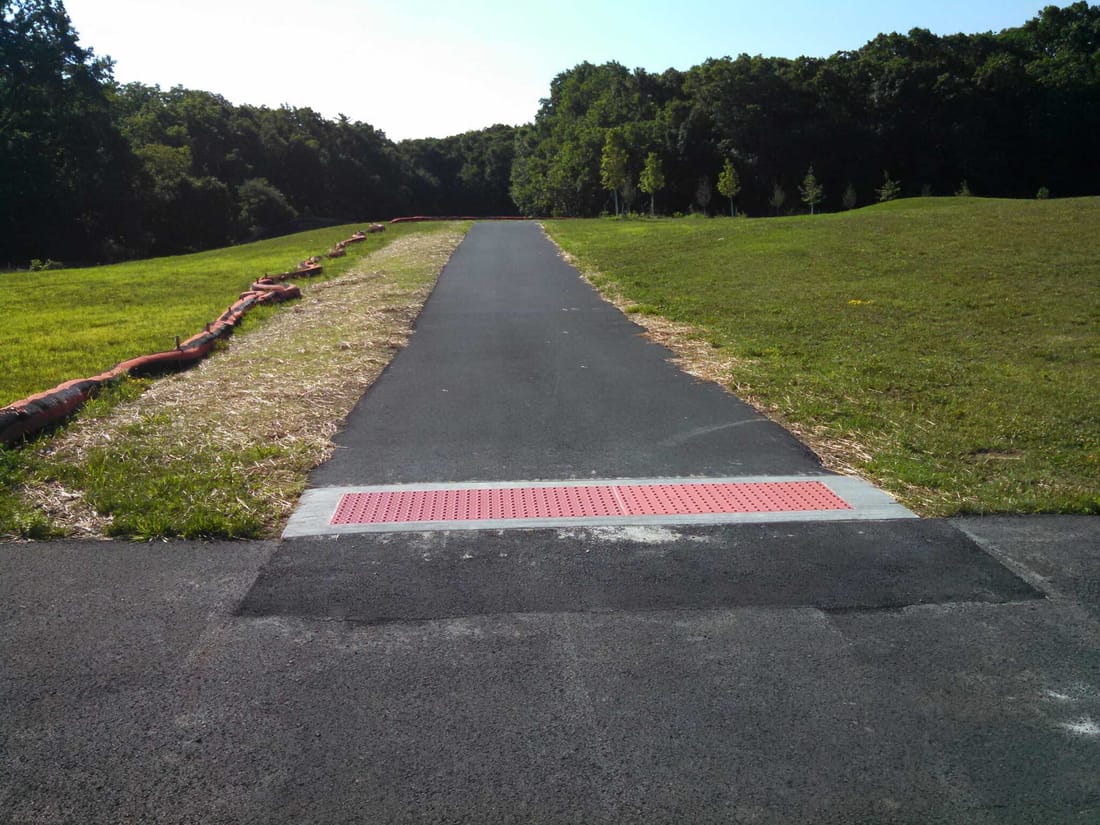
Slope is critical in this climate. We design a minimum 1.5 to 2 percent cross slope to move water off the pavement so it does not pond during summer thunderstorms. In flat areas, we may add subtle grade changes or install surface drains so the path does not turn into a canal after a heavy rain. Where the path crosses driveways or intersections, we plan smooth tie-ins and ADA-compliant curb ramps if needed.
You will see these design decisions on a simple plan drawing or paint marks on site before we mobilize. This is when we finalize whether you want straight, formal lines or more natural curves that follow existing trees and landscaping.
The Actual Installation Process for Asphalt Pathway Paving
Once the layout is approved, we begin with clearing and excavation. For new pathways, we strip grass, roots, and organic material to reach firm subgrade, usually 6 to 10 inches below finished surface depending on use. For replacements, we saw-cut and remove the existing pavement or concrete in manageable sections so surrounding areas are not damaged.
We then shape and compact the subgrade. In many Orlando neighborhoods the subsoil is sandy. We proof-roll with a small roller or loaded vehicle. Any soft spots that deflect are undercut and replaced with compactable fill. Skipping this step is why some walkways settle and crack within a couple of rainy seasons.
Next comes the base. For typical pedestrian pathways, we install 4 to 6 inches of graded aggregate base, compacted in 2 inch lifts. For trails that may carry maintenance vehicles, carts, or emergency access, we increase base thickness and may use a higher quality aggregate blend. We use vibratory plate compactors and small rollers that fit along narrow paths without tearing up adjacent turf.
Once the base passes compaction tests, we pave with hot mix asphalt delivered from a local plant. Thickness is usually 1.5 to 2 inches after compaction for sidewalks and light-use trails. For shared-use or service paths we may go to 2.5 inches or use a stronger surface mix. On narrow or curved paths we often use a small paver or, where access is tight, hand place and then compact with a walk-behind roller to keep the surface even.
Edges are critical. Where the path meets lawn, we can build a compacted shoulder for support or install a concrete or asphalt edge band to keep the pavement from unraveling over time. At existing concrete, such as driveways or steps, we create a smooth transition by milling or saw-cutting to avoid trip points.
Material Options, Local Climate, and Timing in Orlando
For asphalt pathways and sidewalks, we primarily use fine-graded surface mixes that finish smoother than typical driveway or road mixes. This is safer for pedestrians, stroller wheels, skateboards, and bikes. If you expect regular cart or light vehicle traffic, we will recommend a slightly coarser, stronger mix in the same thickness so the surface does not rut under wheels.
Because Orlando heat can soften asphalt, we choose mix designs that are appropriate for Central Florida temperatures, with binders that resist pushing and scuffing during hot afternoons. For shaded trails under oaks or near lakes, we pay special attention to moss and leaf buildup and may recommend a slightly higher cross slope or more frequent sweeping to reduce slippery conditions.
Scheduling matters. The best months for asphalt pathway paving in Orlando are generally October through April when afternoon downpours are less frequent and temperatures are a bit lower. We still pave in summer, but we watch radar closely. If rain hits fresh asphalt, it can mark or cool too quickly. We plan early starts to avoid the hottest part of the day and, when needed, phase work so sections can open sooner.
Color is another consideration. Standard asphalt is black and will lighten over time. If heat buildup is a concern on open, unshaded paths, we can discuss sealcoat options in lighter tones or alternative designs like adding shaded rest areas and landscaping rather than changing the pavement itself, which keeps costs reasonable.
Costs, Common Problems, and How We Prevent Them
The cost of asphalt pathway paving in Orlando is driven by several factors: total square footage, width, base thickness, site access, and how much grading is required. Curved layouts that weave around trees are more labor intensive than straight runs but can save money by avoiding large tree removal or major drainage rework. Limited access through gates or courtyards can increase labor because smaller equipment and more handwork are needed.
Drainage issues are the main long-term problem we see on existing walkways and trails. Paths that were laid flat without proper cross slope tend to hold water, which softens the base and leads to cracking and edge breakup. When we rebuild these, we correct grades rather than just overlaying the old pavement. In some cases, a thin overlay can work, but only if the base is sound and we can mill or feather edges to maintain correct drainage.
Tree roots are another common issue in Orlando, especially near oaks. Instead of simply cutting large roots that may destabilize the tree, we often adjust alignments a couple of feet, thicken the base, or install root barriers where appropriate. Where lifting has already occurred, we may remove localized sections, root prune under an arborist’s guidance, then rebuild the base and surface with a controlled slope.
For HOAs and commercial properties, we can phase work so that access is maintained. For example, we might rebuild one side of a loop trail at a time or create temporary pedestrian routes with signage. We also provide clear curing and use guidelines, such as keeping heavy carts and service vehicles off new paths for a certain number of days, so the surface has time to fully cool and harden.
What Orlando Property Owners Should Ask Before Hiring
When you hire Precision Asphalt Orlando for asphalt pathway paving, we encourage you to ask direct questions. Any contractor bidding your project should be able to explain what base thickness they are including, what asphalt mix they plan to use, and how they will handle drainage. If the quote does not mention base or grading, that is a red flag.
Ask who will actually perform the work. We use our own experienced crews for layout, grading, and paving, not just day labor. Check that the contractor is familiar with local code requirements and ADA considerations for public and commercial paths, such as maximum slopes and detectable warning surfaces where required.
Clarify how they will protect existing landscaping, irrigation, and utilities. On Orlando jobs, it is common to encounter sprinkler lines within a few inches of grade. We discuss with owners whether they prefer to have their irrigation contractor on standby, or if they want us to handle minor repairs directly.
Finally, get a clear plan for maintenance. For most asphalt pathways, routine sweeping, prompt weed control along edges, and crack sealing as small cracks appear will keep them in good shape for many years. We usually recommend considering a sealcoat every 3 to 5 years on heavily used or sun-exposed paths, timed for cooler months when curing is more predictable.
If you want a straightforward assessment of your existing sidewalks or a new trail idea, we can walk the site with you, flag problem areas, and provide options instead of a one-size-fits-all proposal.