Home › Commercial Asphalt Resurfacing & Overlays
Extend the life of your pavement with commercial asphalt resurfacing in Orlando, FL. We apply overlays on structurally sound lots and drives to restore a smooth, dark surface. Our team evaluates cracks, drainage, and base conditions to recommend the right resurfacing approach.
Precision Asphalt Orlando provides professional commercial asphalt resurfacing throughout Orlando, FL, Florida and the surrounding area. Our licensed, insured crew delivers safe, clean, on-time work with a free estimate before anything begins. Call or request your free quote.
Commercial Asphalt Resurfacing for Orlando Properties
Commercial asphalt resurfacing is often the most cost effective way to restore a worn parking lot or private roadway in Orlando without paying for a full tear out. Instead of removing all the existing asphalt, Precision Asphalt Orlando repairs the structural problems, corrects drainage, and then installs a new asphalt overlay on top of the prepared surface. For many shopping centers, HOAs, medical plazas, and industrial properties, this approach delivers a surface that looks and performs like new at a significantly lower cost than complete reconstruction.
In Central Florida, heat, UV exposure, heavy rain, and daily traffic wear down commercial pavements faster than many owners expect. You may not need a full rebuild, even if the asphalt looks rough. If your base is still solid, a properly designed overlay can extend the life of your pavement by 8 to 15 years. Our team evaluates the underlying condition before recommending commercial asphalt resurfacing so you are not sold work you do not need.
How We Evaluate Whether Resurfacing or Overlay Is Right
Choosing commercial asphalt resurfacing starts with a thorough assessment, not a guess from the curb. At Precision Asphalt Orlando, we walk your lot, mark distress areas, and document what we see with photos and notes. We look for specific signs that tell us whether the base is stable, such as patterns of cracking, localized versus widespread settlement, and how water moves across the surface after a storm.
We perform core sampling or test cuts on many projects, especially for larger commercial sites. By cutting a small section of pavement, we can measure existing asphalt thickness, check the stone base, and see if there are trapped moisture pockets. In Orlando's sandy soils, moisture under the base is a common cause of failure. If we find pumping fines, severe base movement, or deep structural cracking throughout, we will recommend partial or full reconstruction. If problems are mostly in the upper asphalt layer, resurfacing with an overlay becomes a strong option.
We also take into account your property's use patterns. For example, a small office lot with light cars can tolerate a different solution than a trucking facility on the same street. This use based analysis helps us determine overlay thicknesses and whether to add reinforcing fabrics or geogrids in specific zones such as dumpster pads or delivery lanes.
Step by Step: Our Commercial Resurfacing & Overlay Process
Once resurfacing is confirmed as the right approach, we follow a defined process to give you predictable results and minimal disruption. First, we handle project planning and phasing. For active businesses in Orlando, we often phase the work so portions of the lot stay open. We prepare a traffic control plan, coordinate with your tenants or property manager, and schedule work around your busiest hours.
Next comes surface preparation. We clean the existing pavement with mechanical sweepers and blowers to remove sand, leaves, and oil residue. In areas with heavy oil staining, particularly in restaurant and drive thru lanes, we apply special primers or cut out and replace those sections so the new asphalt will bond properly. We mill (grind) transitions at tie in points such as entrances, dumpsters, and existing concrete to maintain proper elevations and avoid trip hazards.
We then repair structural issues. Potholes, severe alligator cracking, and failed edges are saw cut, excavated down to solid base, and rebuilt with new base rock and base asphalt. This step is critical on older Orlando properties where edges near landscaping have rutted out from delivery trucks. Only after the distressed areas are repaired do we apply a tack coat, a thin layer of bonding asphalt emulsion, across the surface to help the overlay adhere.
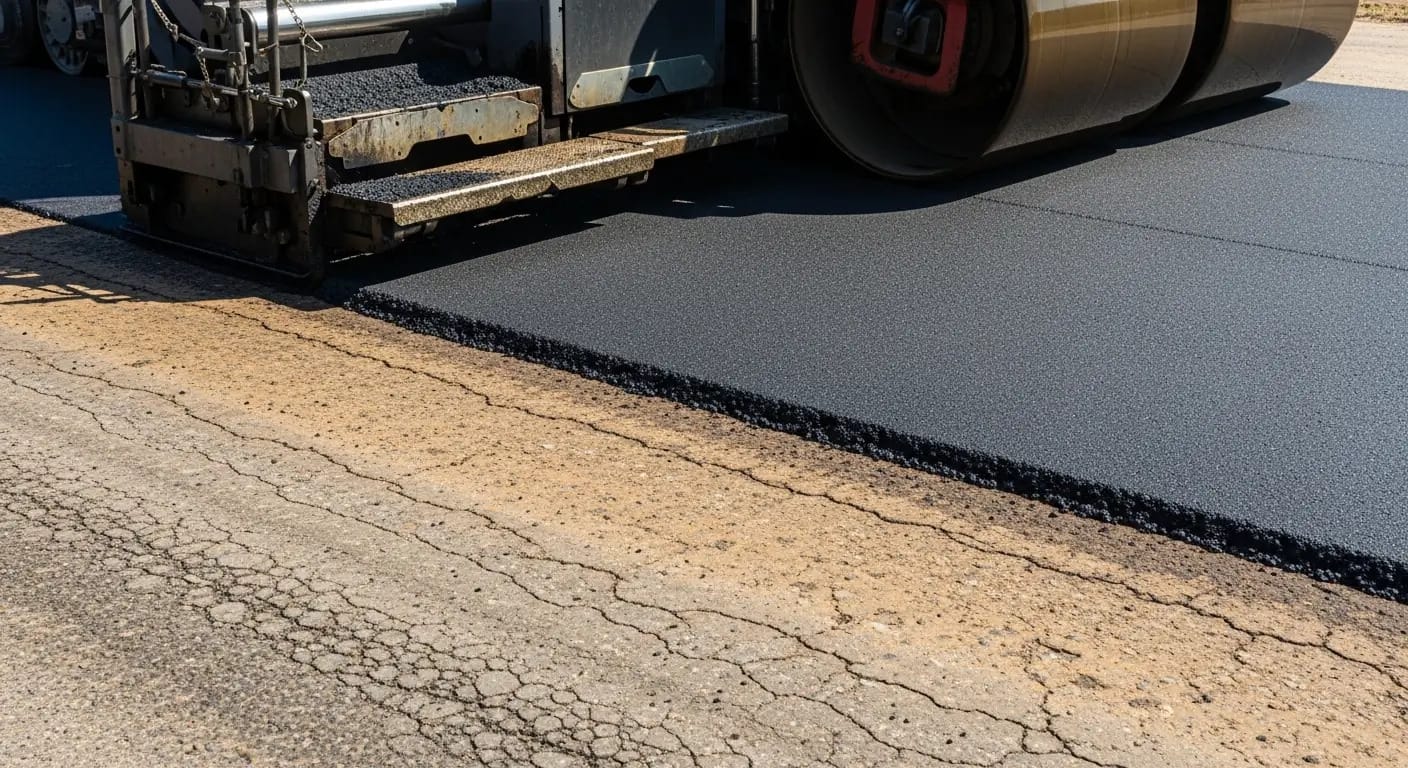
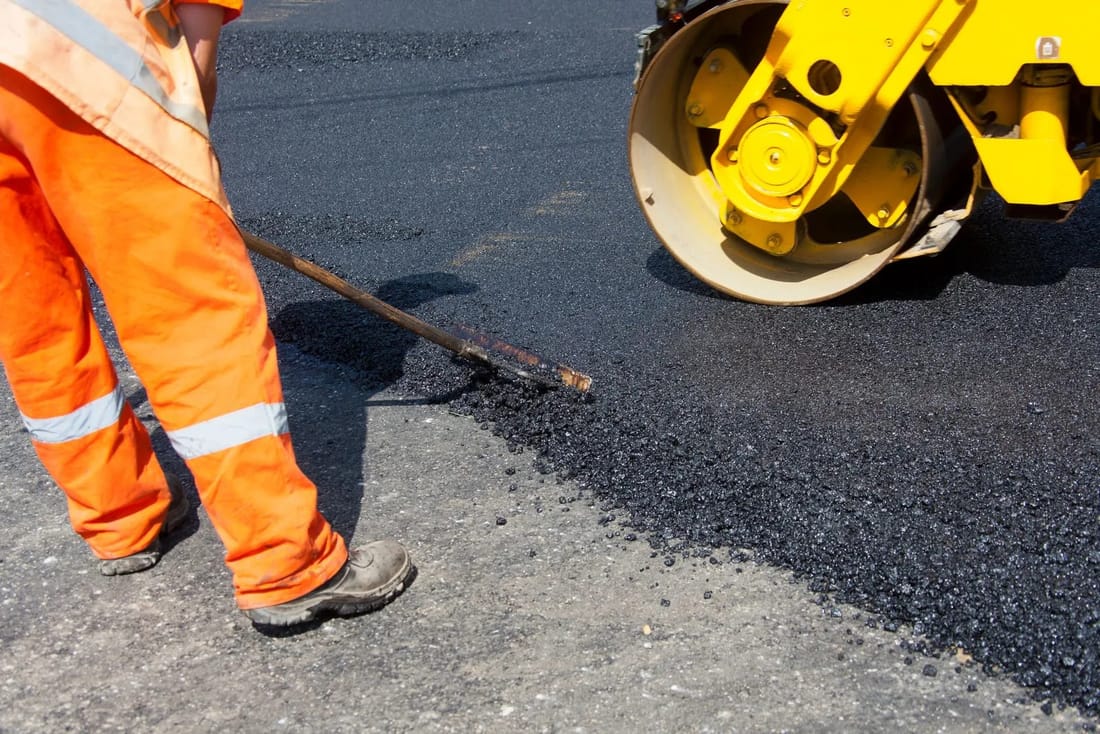
Finally, we install the new overlay layer using commercial paving machines, not just hand tools. The asphalt is placed at the engineered thickness, usually between 1.5 and 3 inches for commercial work, then compacted with steel drum and pneumatic rollers. Joints are carefully compacted and lapped so they do not become weak points. After cooling, we apply new striping, ADA markings, and signage so your property is ready for traffic.
Overlay Design Options: Thickness, Mix Types, and Reinforcement
Resurfacing is not one size fits all. Precision Asphalt Orlando designs each commercial overlay to match your actual traffic loads and site conditions. For light duty parking lots with mainly passenger cars, a 1.5 to 2 inch overlay with a dense graded surface mix often provides excellent performance. For loading zones, drive aisles, and areas with frequent box truck or semi traffic, we may recommend 2.5 to 3 inches, sometimes in multiple lifts, to improve structural strength.
We specify asphalt mixes that handle Orlando's high temperatures and intense sun. That often means higher quality aggregates, polymer modified binders on heavier duty projects, and attention to void content that balances rut resistance with workability. For businesses close to residential neighborhoods, we can discuss quieter mix options that reduce tire noise on access roads or internal drives.
On pavements with reflective cracking concerns, such as older lots that have been overlaid before, we may use crack relief layers, fabrics, or grids between the old surface and the new overlay. These products help slow down the reappearance of existing cracks through the fresh asphalt. Around dumpster pads and delivery docks, we often reinforce or reconstruct only those zones, then overlay the rest, which keeps your project budget under control without sacrificing durability where it matters most.
What Drives the Cost of Commercial Asphalt Resurfacing
Commercial asphalt resurfacing is usually more affordable than full removal and replacement, but costs can still vary widely based on site specific factors. The size of the project is an obvious driver, since more tons of asphalt and more labor will be required for larger properties. However, smaller projects with tight working conditions or a lot of handwork around curbs and islands may have higher per square foot costs than a large, open lot.
The amount of base and patch repair needed is often the biggest variable. If your surface simply has surface cracks and light raveling, prep work may be minimal. If large sections are alligator cracked or there are deep ruts from trash trucks, we must cut out and rebuild those areas before placing the overlay. In Orlando, low spots where rainwater ponds are common, and correcting these requires additional grading or fine milling which affects cost.
Access and phasing also matter. If we can pave a lot in one mobilization with straightforward truck access, your costs are lower than if we must work at night, in multiple phases, or around tight delivery schedules. Material choice, such as using polymer modified asphalt for heavy traffic or reinforcing fabrics to control cracking, also affects price but can be cost effective over the life of the pavement by extending service life.
Before work begins, Precision Asphalt Orlando provides a clear written proposal that breaks down the major cost elements, including estimated square yardage, asphalt thickness, patch quantities, and striping. This level of detail helps Orlando property managers compare apples to apples when reviewing bids.
Local Considerations for Orlando Commercial Resurfacing
Our humid subtropical climate in Orlando affects how and when commercial asphalt resurfacing should be done. High heat can shorten the workability window of asphalt, while summer storms can interrupt paving if the day is not planned correctly. We typically recommend larger overlay projects be scheduled in cooler months, such as late fall, winter, or early spring, when temperatures still allow proper compaction but afternoon storms are less intense.
When summer work is necessary, we adjust crew sizes and start times so critical paving and compaction are completed before the highest heat and most likely rain windows. We also pay close attention to drainage on local sites. Heavy cloudbursts can quickly expose low spots and poor slopes that may have been tolerated in drier climates. As part of the resurfacing design, we may correct grades near inlets or along building fronts so water runs away from entrances and does not sit on your new surface.
Orlando's sandy and sometimes unstable subgrade makes edge support and base quality very important. In many older commercial lots, edge failures started where asphalt met uncovered sand or poorly compacted fill. During resurfacing, we can address these edges by cutting back to firm material, improving base stone, and sometimes installing concrete ribbons or valley gutters at key transitions. This targeted work prevents your fresh overlay from quickly failing at the margins.
What Orlando Property Owners Should Ask Before Hiring
Before you choose a contractor for commercial asphalt resurfacing, ask specific questions about how they will handle your site. Ask how they will determine whether resurfacing is appropriate or if full reconstruction is needed in some areas. A reputable company should be willing to discuss core samples, base inspections, and why they are recommending a particular overlay thickness and mix.
You should also request a phasing and access plan, especially if your Orlando property has multiple tenants or operates extended hours. Precision Asphalt Orlando routinely coordinates with property managers to maintain access for customers, emergency vehicles, and deliveries during construction. Knowing which entrances will be open on which days prevents frustration and keeps your businesses running.
Ask what is included in the proposal besides asphalt placement. A complete commercial resurfacing scope should mention patch quantities, milling or edge tie ins, tack coat, compaction methods, striping, ADA compliance upgrades, and traffic control. Clarify warranty terms and what maintenance is recommended after the overlay, such as when to consider sealcoating and how to handle fuel spills.
Finally, confirm that the contractor is familiar with local codes, including ADA striping and signage requirements for Orlando and Orange County. Precision Asphalt Orlando stays current on these standards so that your refreshed pavement not only looks good but also supports accessibility compliance and minimizes liability exposure for your business.